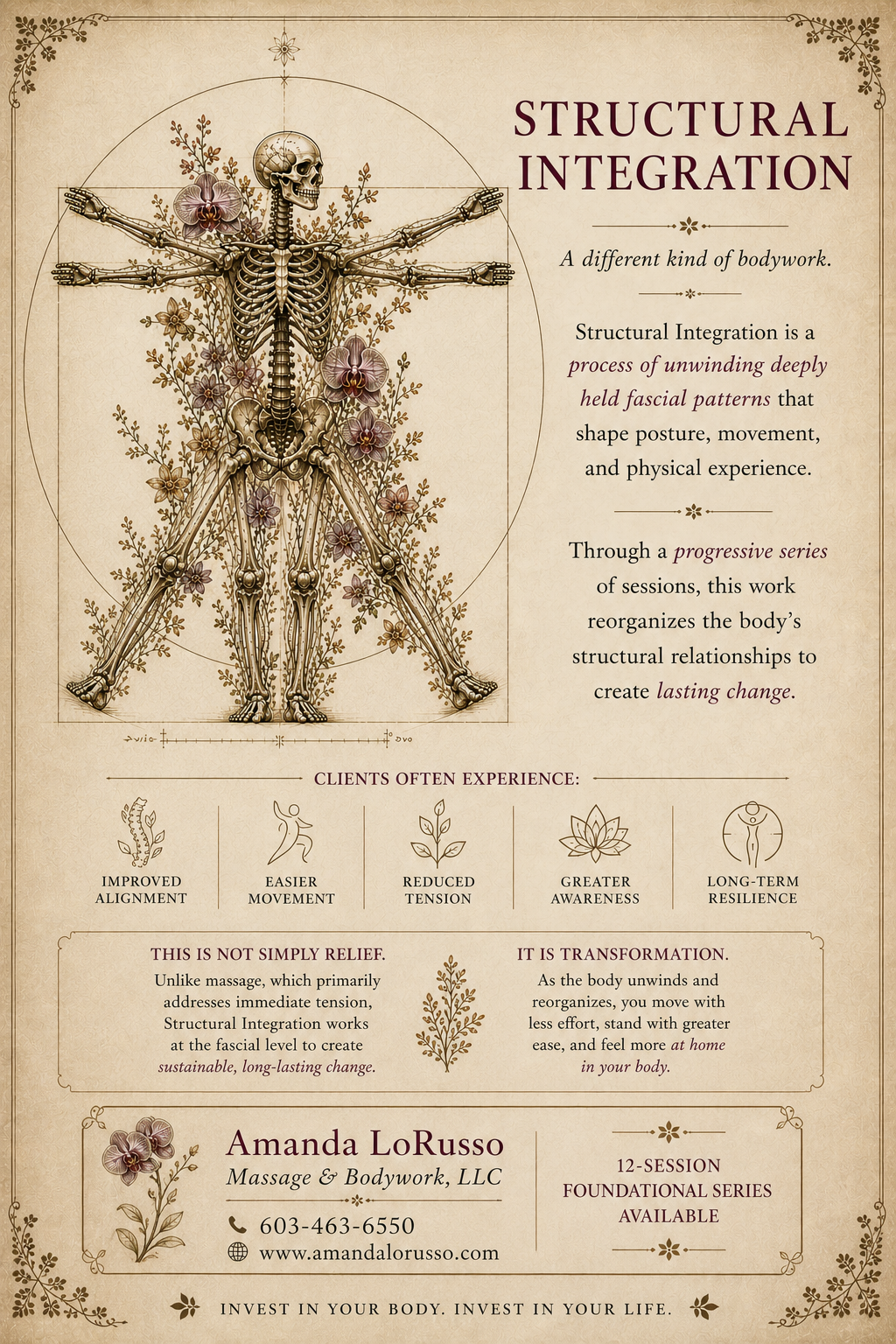
Structural Integration
Structural Integration is typically done in a series of sessions, focusing on one fascial meridian at a time. This allows the body to absorb new input at a supportive rate.
Structural Integration is a form of bodywork that assesses your postural habits — how your body organizes and holds itself in space.
The goal is to help reorganize long-held patterns of tension and compensation so you can feel more aligned, supported, and at ease in your body.
Using hands-on techniques that work with the body’s deeper fascial layers, combined with guided movement and client participation, Structural Integration helps create lasting change in posture, movement, and the chronic tension patterns that often develop over time.
What to Expect
This work is most effective as a series of sessions.
While individual sessions are available, I typically recommend beginning with three or more sessions to experience the cumulative effects of the work. A full Structural Integration series is 12 sessions, designed to systematically support your body’s organization from the ground up.
During your initial session, I’ll assess your posture and movement patterns, discuss your goals, and recommend an approach that best supports your body.
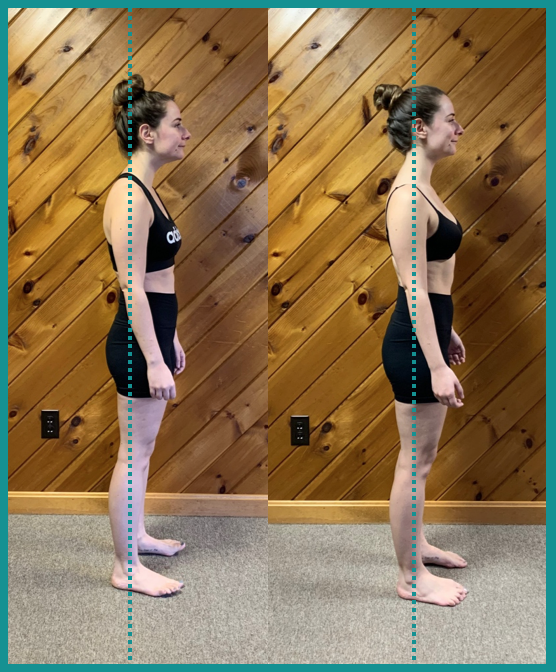
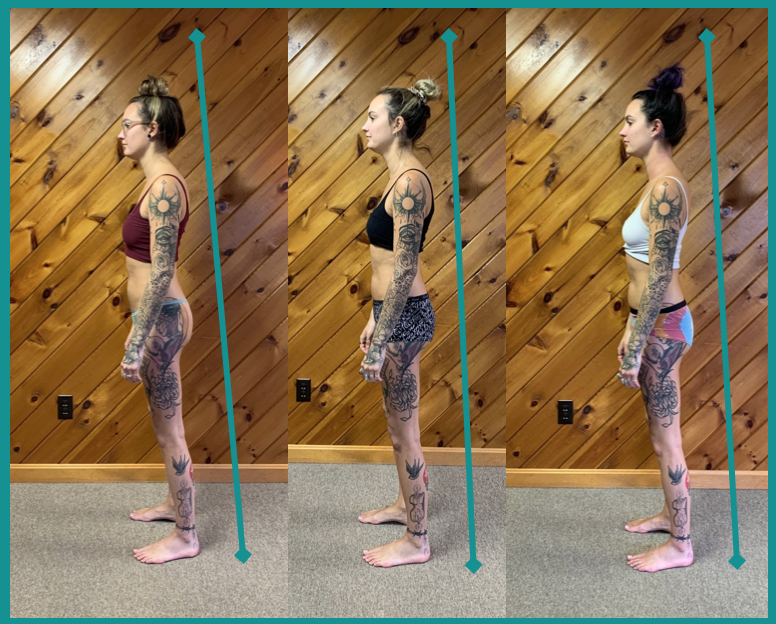
We’ll begin with a postural assessment, where I observe your body from the front, back, and side, along with a few simple guided movements.
Sessions are typically performed with clients wearing underwear or a bathing suit to allow for clear observation of structural patterns. Work may take place while lying on the table, seated, or standing, depending on what your body needs.
You’ll be guided every step of the way.
Is Structural Integration Painful?
Structural Integration sometimes has a reputation for being intense.
Because we’re often working with deeply ingrained patterns — some held for years or even decades — certain techniques can feel strong or highly noticeable.
That said, this is never about pushing through pain.
The work is collaborative, and we’ll continuously communicate to find the level of pressure and intensity that feels productive, safe, and appropriate for your body — whether that’s gentle, moderate, or deeper work.
Your comfort, safety, and nervous system regulation are always prioritized.
Lineage of This Work
My work is informed by the principles of Tom Myers’ Anatomy Trains, which maps the body through interconnected fascial lines rather than isolated muscles.
This framework offers a powerful way of understanding how tension patterns travel throughout the body — and how working with one area can create meaningful change elsewhere.
You can learn more about the 12-session series through Tom Myers’ overview video here.
Structural Integration can be difficult to describe if you’ve never experienced it before.
What is it?
What does it look like?
What actually happens in a session?
At its core, Structural Integration is a form of hands-on bodywork that helps your body release long-held patterns of tension and compensation, so it can reorganize itself with greater ease, balance, and alignment.
We live in our bodies — and for better or worse, they carry our history.
Everything we experience throughout life can leave an imprint:
Physical events like injuries, surgeries, repetitive strain, or accidents
Mental stress and chronic overwhelm
Emotional experiences like grief, heartbreak, or prolonged periods of holding it all together
Over time, these experiences can become deeply ingrained patterns in the body. They shape how we stand, move, breathe, and even how we experience ourselves.
What may have once been a useful adaptation can eventually become a limitation.
Structural Integration works by helping the body unwind these patterns, creating more freedom, support, and adaptability from the inside out.
This isn’t about “fixing” your body.
It’s about helping your system remember how to organize itself more efficiently — often resulting in less pain, easier movement, improved posture, and a greater sense of embodiment.
And when we feel more at home in our bodies, there’s often more space for vitality, confidence, creativity, and joy.
As the saying goes:
We stand a little taller.
We hold our heads high.
At 5 feet tall myself, I can’t promise any miraculous height increases — but I can help you feel more supported, more spacious, and more confident in your beautifully complex sentient meat suit made of stardust.
What Happens During a Session?
Each session is individualized and collaborative.
We begin with an initial body reading, where I observe how your body is currently organizing itself in standing and movement. This helps us identify patterns of compensation, tension, restriction, and imbalance.
From there, your session may include both on-table hands-on work and off-table movement exploration.
On the table
Using slow, intentional fascial manipulation and manual techniques, I work with areas of restriction and holding in the connective tissue system.
This helps create change in how your body relates to gravity, support, and movement.
Off the table
You’ll be guided through simple movements, standing assessments, walking, or participatory movement explorations.
Why?
Because lasting change happens when your nervous system can experience and integrate new possibilities.
Movement helps your body learn how to organize differently — not just temporarily release tension, but embody a new pattern.
This participatory element is what makes Structural Integration distinct from passive bodywork.
You’re not just receiving work.
You’re actively learning your body.
Many clients leave feeling not only physically different, but more aware of themselves and how they move through the world.
Structural Integration May Support
Chronic muscular tension and pain patterns
Postural imbalances
Restricted movement or fascial limitations
Limited range of motion
Non-acute musculoskeletal issues
Orthopedic injury recovery
Post-surgical rehabilitation (typically after 6 weeks, with medical clearance)
Postpartum recovery
Physical performance and movement efficiency
Greater body awareness and embodiment
Improved vitality and overall well-being
Navigating personal transitions or stepping into a new chapter of life
Whether you’re recovering, rebuilding, refining, or simply wanting to feel more at home in your body, Structural Integration offers a pathway toward greater ease, resilience, and connection.
Session Series & Treatment Pathways:

Structural Integration is traditionally experienced as a series of sessions, with each session focusing on specific fascial lines and patterns within the body.
This progressive approach allows your system to absorb and integrate change at a sustainable, supportive pace.
Because pain and tension patterns are often interconnected, meaningful change frequently requires working with the body as a complete system rather than addressing isolated symptoms.
Depending on your goals, history, and what we discover during your assessment, I may recommend one of the following pathways:
Pre-Series
A foundational introduction to Structural Integration
Three or more sessions
Ideal for those who are:
New to Structural Integration
Curious about how this work feels
Looking to address specific patterns while building body awareness
This series offers an accessible entry point and often creates meaningful shifts on its own.
The Full Project: 12-Series
A comprehensive structural reorganization
The traditional 12-session series systematically works through the body to create lasting change in posture, movement, and overall organization.
Sessions 1–4: The Outer Layer
Creating space, ease, and mobility in the more superficial fascial layers
Sessions 5–8: The Core
Addressing deeper support structures and foundational patterns
Sessions 9–12: Integration
Bringing the work together so the body can function as a more cohesive whole
This series is ideal for those seeking deeper, more comprehensive transformation.
Post-Series
Advanced integration work
Three or more sessions
For clients who have completed a full series and want to continue refining, deepening, or adapting their work as life and body patterns evolve.
Single Session
Focused support for a specific concern
A targeted session designed to address a particular area of tension, discomfort, or movement restriction.
While single sessions can provide relief and insight, Structural Integration tends to be most effective when experienced progressively over time.
More space. More support.
More you.
Align with the body you live in.
Interested? Let’s connect.
I’m happy to answer any questions and help you determine whether Structural Integration is the right fit for you.
Please reach out through my contact form.
.:.
Short on time?
Here’s a condensed overview: